
Call Us Today! 1 888-515-8262 (Toll Free)
ASL Interpreters: Get Your FREE Marketing Toolkit When You Sign Up for Bookkeeping
Everything your ASL interpreting practice needs to attract, manage, and retain clients — all in one place.

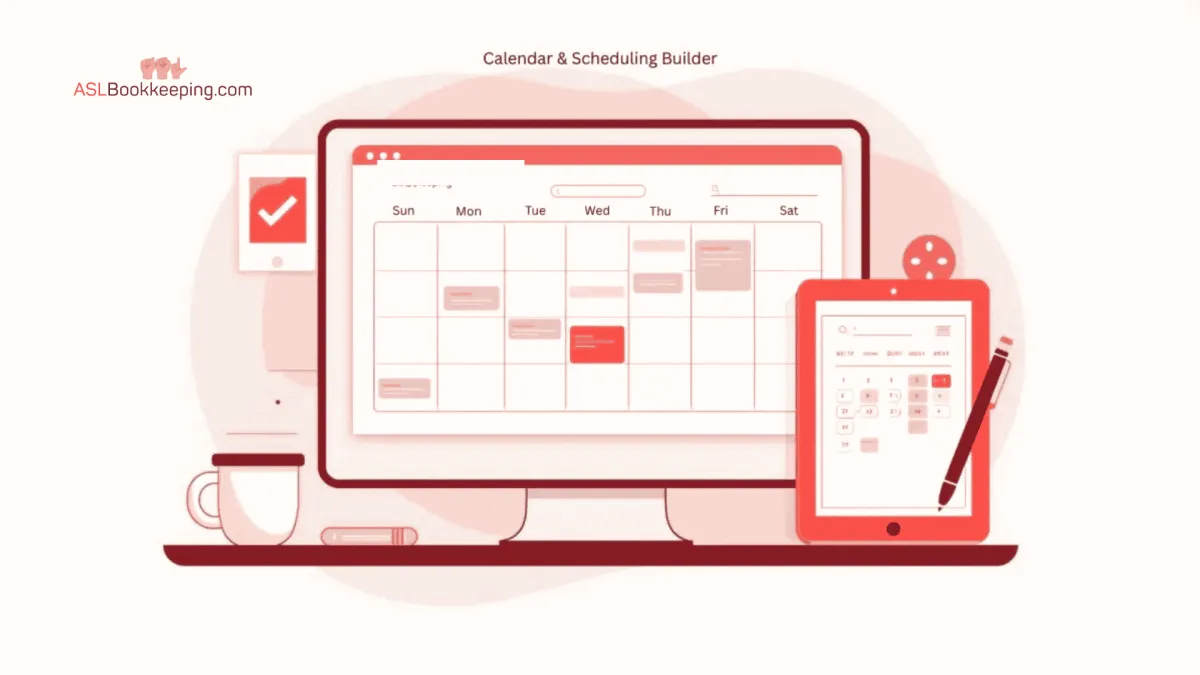
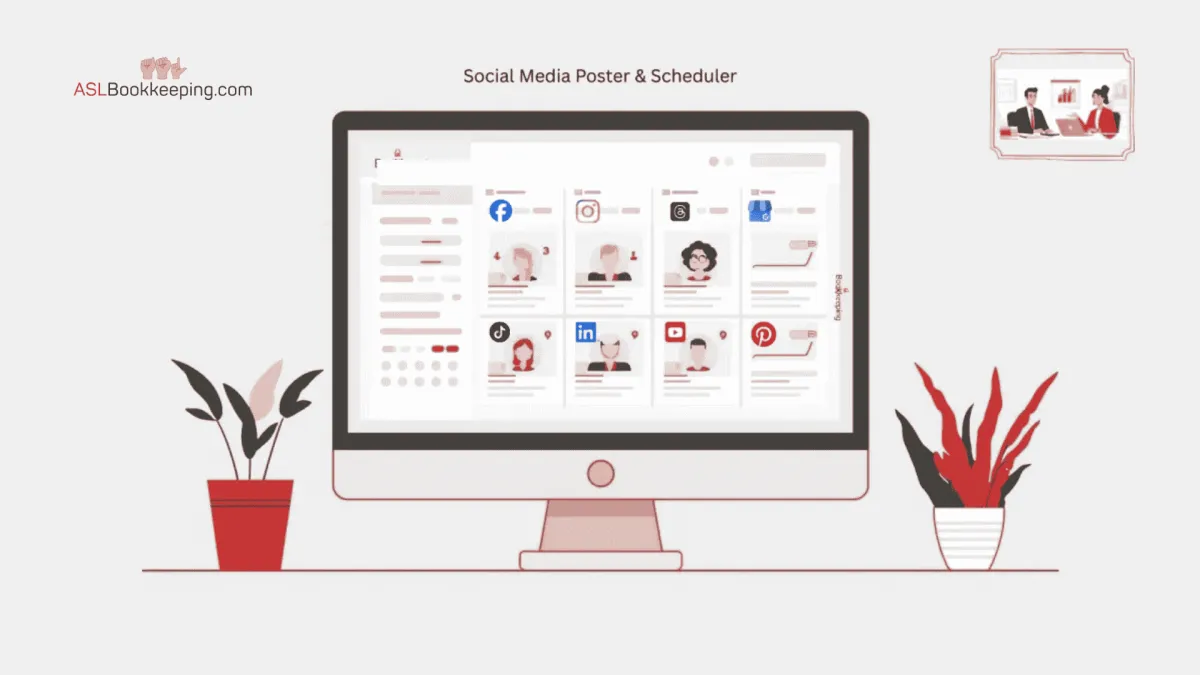
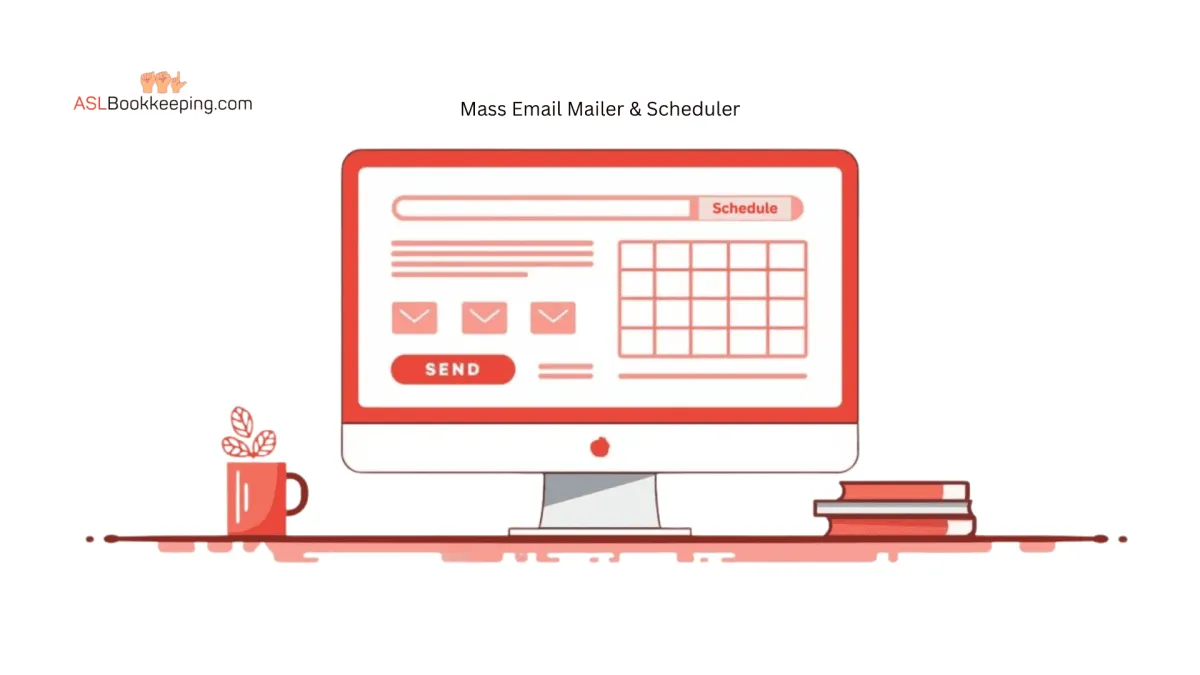
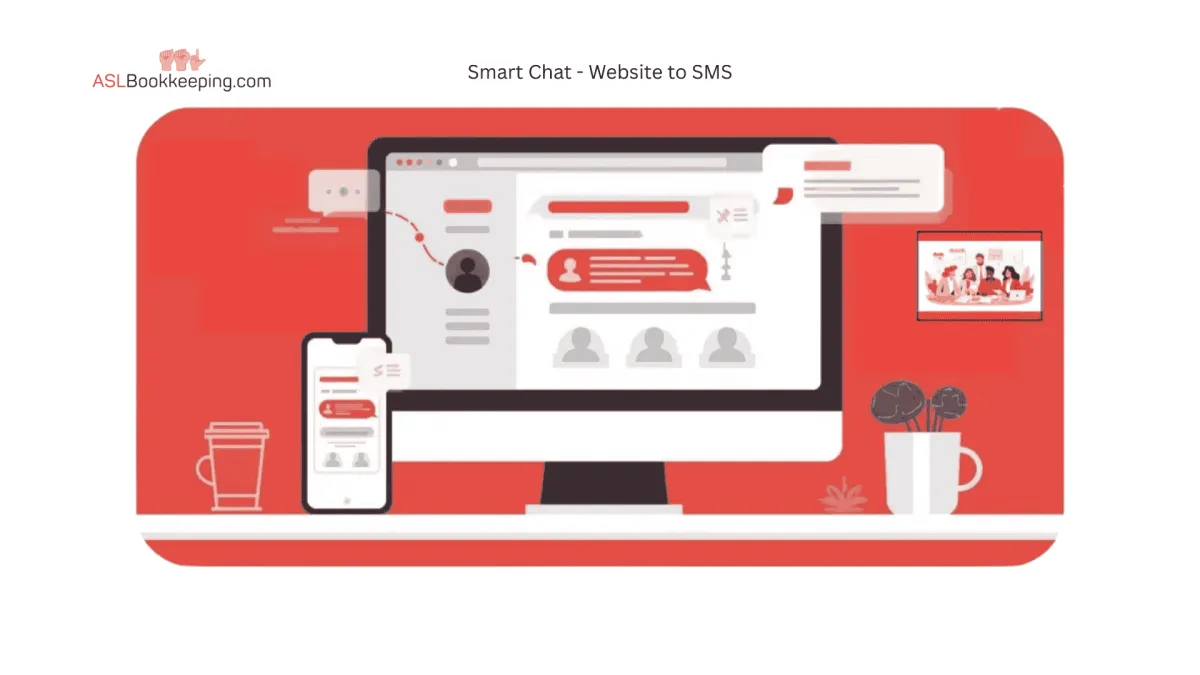
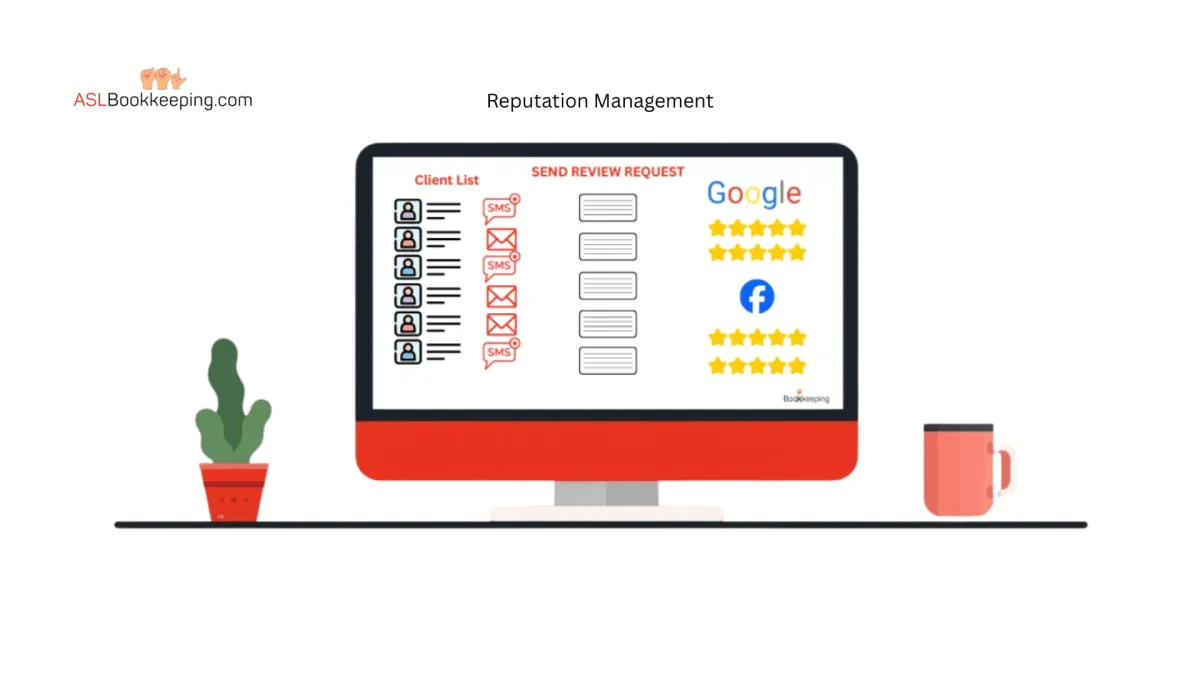
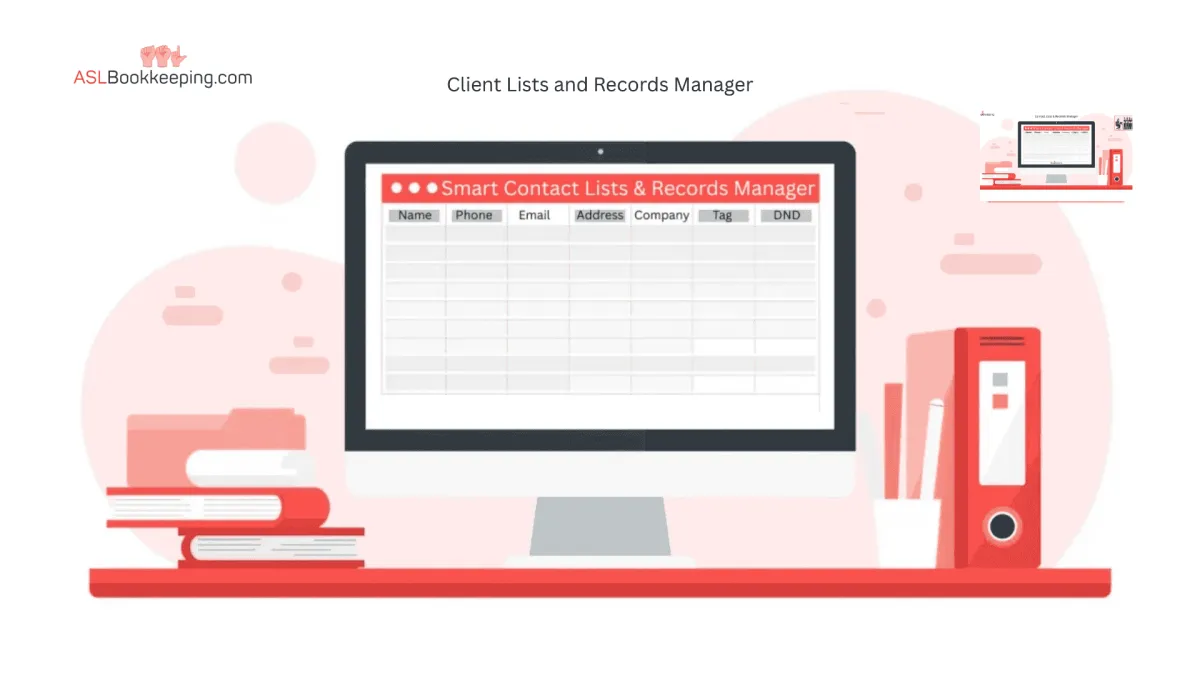
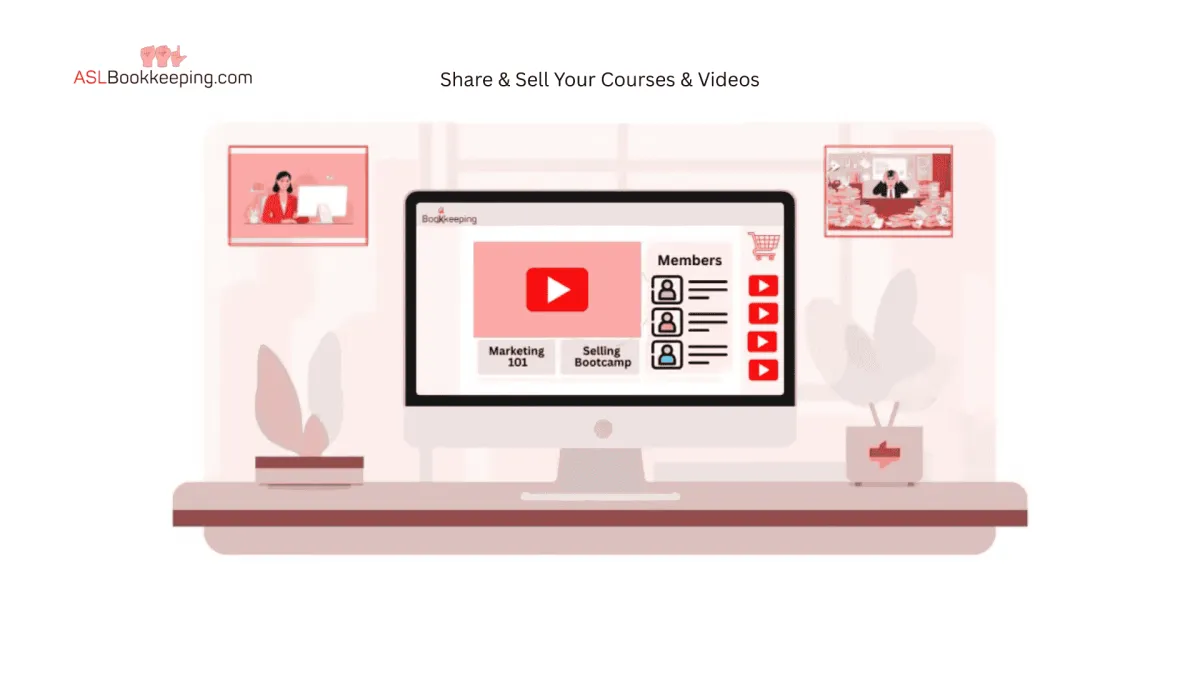
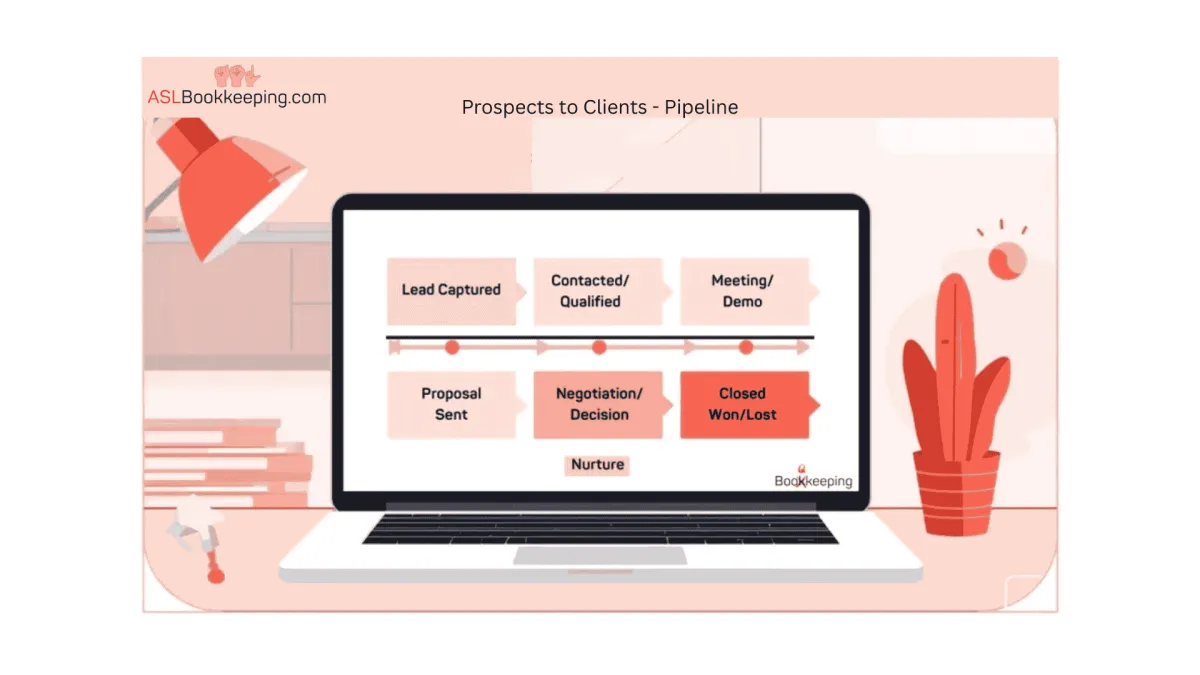
Access 12 powerful tools designed specifically to help ASL interpreters promote their services, attract more assignments, stay organized, and strengthen relationships with agencies and clients. From forms and schedulers to reviews, follow-ups, and analytics — everything works together to support your interpreting career without adding more apps or subscriptions.
This Free Marketing Toolkit is provided by ASLBookkeeping.com, a bookkeeping and support platform built specifically for ASL interpreters.
MARKETING DOESN'T HAVE TO BE COMPLICATED — It Just Has to Work
As an ASL interpreter, your time is split between assignments, travel, prep work, and continuing education. Marketing yourself shouldn’t feel like another full-time job. You don’t need flashy social media campaigns or expensive software — you just need a simple system that helps people find you, contact you, and trust you.
That’s exactly why this Free Marketing Toolkit exists — to give interpreters a practical set of tools that help you:
Get discovered online
Collect assignment inquiries
Respond instantly to messages
Build trust through reviews
Stay top-of-mind with agencies and repeat clients
You don’t need to master marketing. You just need tools that handle the hard parts for you.
A Smart Marketing Plan Built for ASL Interpreters
Interpreters wear many hats: scheduling, invoicing, travel planning, updating profiles, and talking with agencies. This guide breaks down what actually works for interpreter marketing — in 8 simple steps that match the 12 free tools in your toolkit.
Step 1: Set Clear Goals for Your Interpreting Career
Start by choosing two or three goals for the next 90 days. For example:
“Book 8 new agency assignments,”
“Add 15 new private clients,”
“Collect 20 new reviews.”
Clear, measurable goals help you match the right tools to the right outcomes — such as using forms and schedulers to secure more bookings or using review tools to increase credibility.
Step 2: Make Yourself Easy to Find
Agencies and clients search for interpreters online. That means your public profile needs to be complete and consistent. Make sure to:
Update your Google listing (or create one)
Keep your name, phone, and service area consistent online
Upload high-quality photos
Collect and display reviews
Post updates or availability notices
This improves your visibility when agencies or private clients search for interpreters in your area.
Step 3: Build a Simple Booking Hub
Once people find you, they need a clear place to contact you. That means having a page or profile that explains:
Who you are
What interpreting services you offer
Your experience
Your main service area
How to book you
Using your toolkit, you can add a form, chat, and booking link — all connected to one inbox so no inquiry gets lost.
Step 4: Capture Every Inquiry — Don’t Lose Assignments
Many interpreters miss work because they don’t respond quickly enough or the message gets buried. Prevent that with:
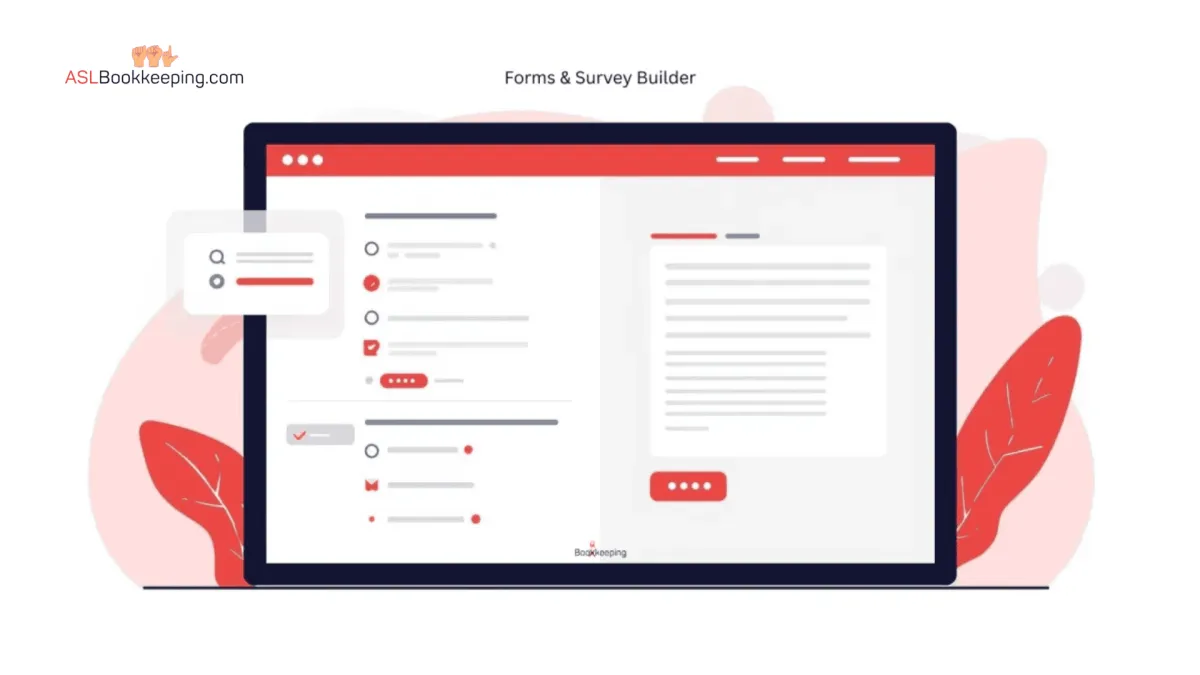
Instant confirmations when someone fills out your form
Automatic text-backs for missed calls
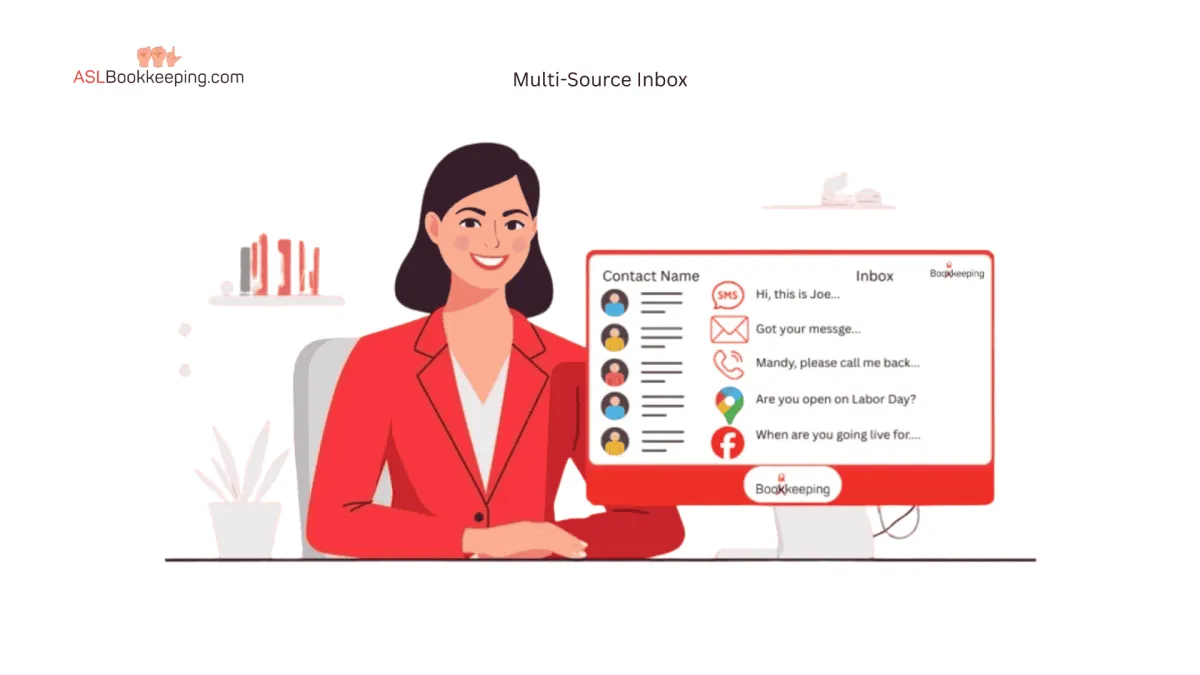
A unified inbox for calls, texts, emails, and website messages
With these tools, nothing slips through the cracks.
Step 5: Let Clients Book You Easily
If you handle private interpreting assignments, consultations, or evaluations, bookings must be simple. Use the appointment scheduler, automatic email/SMS reminders, and an easy reschedule link. This reduces no-shows and keeps your schedule tight.
Step 6: Build Trust Through Reviews
Agencies prefer interpreters with strong reputation signals. Private clients do too. After each assignment:
Request a review
Display reviews on your profile or website
Share testimonials or positive feedback
Your toolkit includes a full Review Request System and Social Scheduler to help you share your best work consistently.
Step 7: Stay in Touch With Agencies and Regular Clients
Repeat assignments come from staying remembered. Use the Campaign tools to send:
Availability updates
Skill announcements (e.g., “Certified in Legal or Medical Interpreting”)
Holiday greetings
Reminders or check-ins
Tag your contacts (e.g., “agency,” “private client,” “repeat”) so you can follow up intentionally.
Step 8: Track What’s Working
A simple dashboard helps you track:
Number of inquiries
Number of bookings
New reviews
Repeat clients
Website or profile activity
Adjust monthly: if you’re low on reviews, ask more clients. If bookings are slow, update your profile or scheduling link. Fix one weak area at a time.
How Your Free Marketing Toolkit Helps ASL Interpreters
Think of this toolkit as a system that brings everything together:
Forms capture inquiries
Chat helps you respond instantly
Scheduler books assignments
Reviews build trust
Campaigns keep you top-of-mind
Analytics show results
You don’t need to turn on everything at once — start with the tool that solves your biggest challenge (booking, visibility, reviews, etc.) and add more as you go. All tools are interconnected so your workflow stays simple.
Final Thought
Marketing yourself as an ASL interpreter doesn’t require dozens of apps or complicated strategies. It requires being visible, capturing interest, following up quickly, showing proof, staying connected, and measuring results. With this 12-tool Marketing Toolkit, you have everything you need in one place.
Why This Matters for ASL Interpreters
Most platforms charge separately for schedulers, form builders, review systems, email platforms, automations, and analytics. That can easily reach $300–$600+ per month. With the Free Marketing Toolkit, you get all 12 tools together — at no extra cost — so you can focus on interpreting, not paying for software.
Get Started — Pick Any Tool Below
Each tool page explains exactly how it helps interpreters and how to use it. Choose the tool that solves your biggest need first — and build your system step by step.
The Free Marketing Toolkit is included at no additional cost for ASL interpreters who sign up for bookkeeping services through ASLBookkeeping.com.
Free Tools To Grow Your Interpreting Practice
Free Marketing Toolkit
Multi-Source Inbox
Forms and Survey Builder
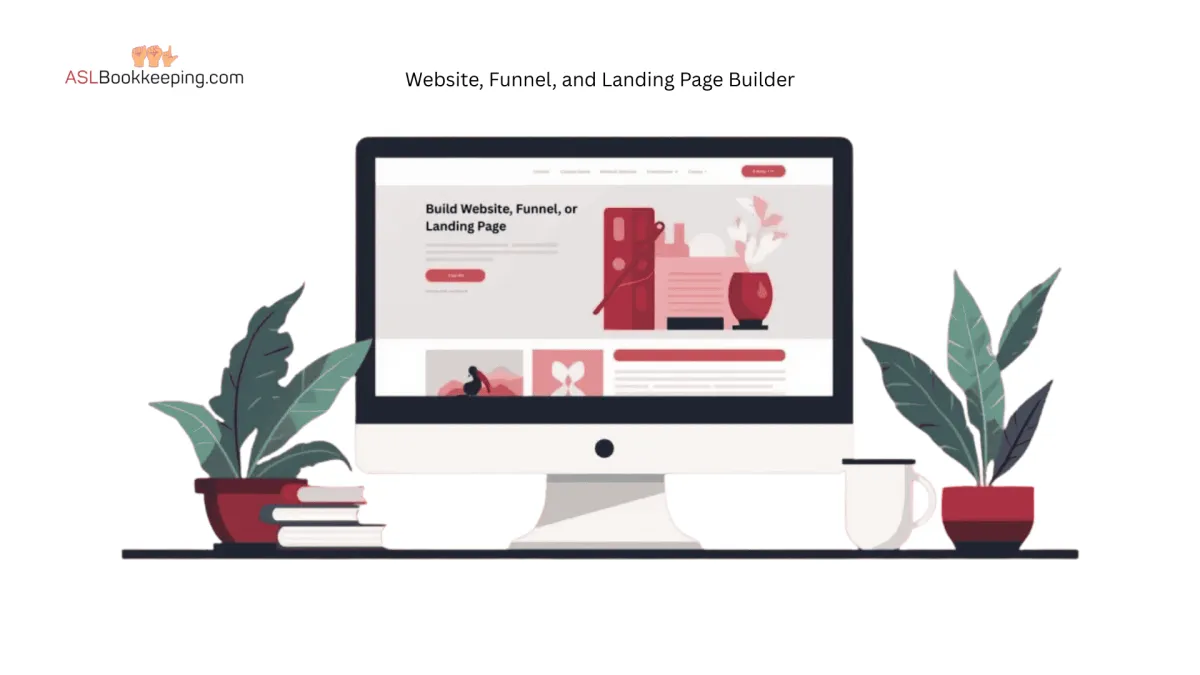
Website and Funnel Builder
Blog Builder
Calendar & Scheduling Builder
Social Media Poster & Scheduler
Mass Email Mailer & Scheduler
Smart Chat - Website to SMS
Reputation Management
Contact Information/Database
Sell Course and Video Membership
Prospects to Clients - Pipeline
Visit us on Linkedin:


U.S.-based bookkeeping built for ASL Interpreters. Certified QuickBooks experts keeping your books clean and your tax preparer supported.
Ways to Contact Us:
1 888-515-8262
Mon-Fri 9am-5pm Pacific Standard Time
© Copyright 2020-2025. ASLBookeeping.com
Fully Owned And Operated By
Digital Ad Cast LLC.
All rights reserved